
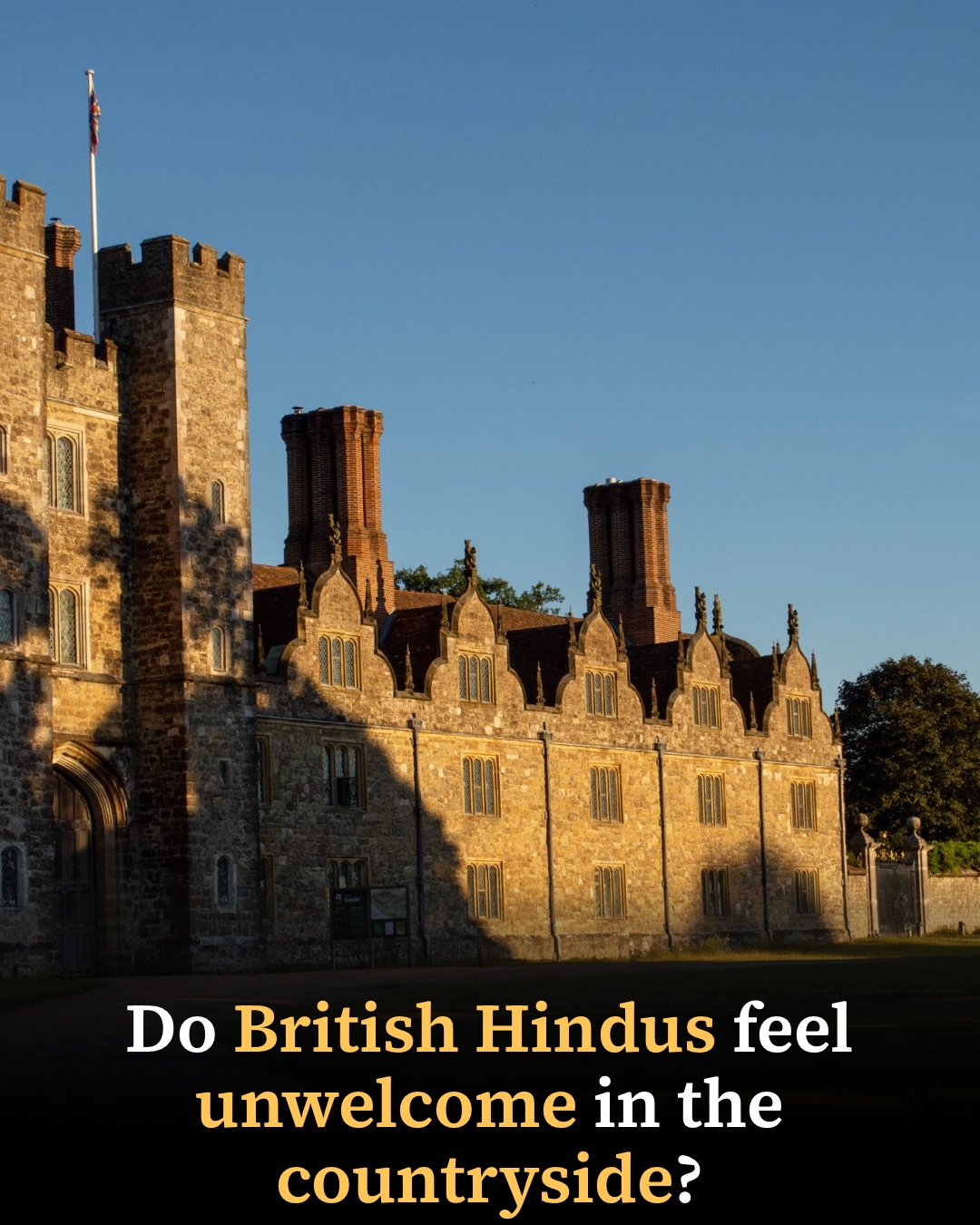
Earlier this year, the National Trust, Britain’s largest heritage and nature conservation charity, launched a new diversity and inclusion drive. With the National Trust now updating its objectives with terms such as ‘embracing the traditions of different cultures’ and exploring ‘the stories of different histories’, many of its members are questioning if the Trust is diluting its core mission of protecting nature and British heritage sites by experimenting with the latest trending political ideologies. In March 2026, Hilary McGrady, the Director General of the National Trust, spoke on LBC radio where she suggested that members of ethnic minorities may not always feel welcome in the countryside and that “They don’t necessarily know, ‘what am I meant to wear’…”.
Writing in the Telegraph on 29th March 2026, Bharat Sarollia explains how he, as a British Hindu, feels the National Trust’s new approach to DEI is patronising and “that there is no problem here to be solved”. Rather than being inclusive, Bharat argues that the Trust’s approach is divisive: where “People like me are classed as the ‘other’, rather than being seen as British,” further noted, “no one in my wide network of Hindu friends and family has ever told me that they feel uncomfortable in a National Trust property”. Commenting on the connections of British historic buildings to slavery and colonialism, “I would never suggest the National Trust should whitewash the true stories of its properties… every country has its… difficult episodes… [hence] show people the full history of a place or time in all of its complications”.
From pupils excluded from classrooms in North London for wearing Tilak to the mainstream media whitewashing the role of Islamist extremism in the cause of the Leicester riots, the actual issues of exclusions British Hindus face lie in Urban Britain and not the English countryside.